
Address
600 W Northfield Dr. Suite 2020
Brownsburg, IN 46112

How to Make Dental Implants Last a Lifetime
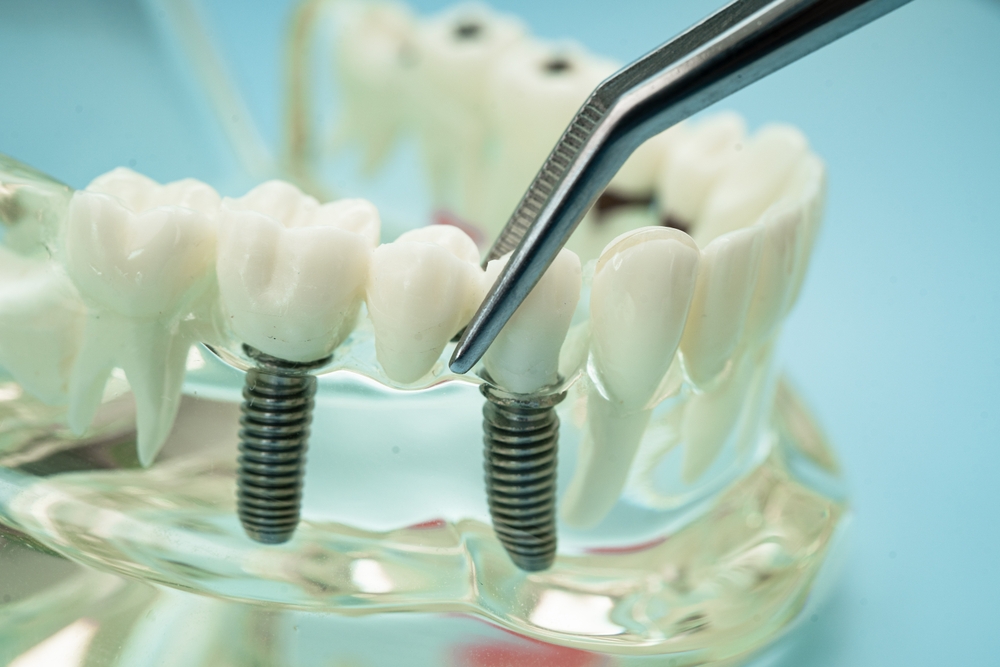
Dental implants are one of the most reliable and long-lasting solutions for replacing missing teeth. Designed to look, feel, and function like natural teeth, implants can last decades - or even a lifetime - when properly cared for. While implants are highly durable, their long-term success depends on consistent oral hygiene, routine dental care, and healthy habits.
Commit to Excellent Daily Oral Hygiene
Even though dental implants are not susceptible to cavities, the surrounding gums and bone are still vulnerable to infection. Poor oral hygiene can lead to peri-implant disease, which may compromise the implant’s stability.
To protect your implants:
Brush at least twice daily using a soft-bristled toothbrush
Clean around the implant crown carefully to remove plaque buildup
Floss daily or use interdental brushes designed for implants
Consider using an antimicrobial mouth rinse if recommended by your dentist
Keeping the gum tissue healthy is essential to maintaining a strong foundation for your implant.
Schedule Regular Dental Exams
Routine dental exams are critical for monitoring the health of your implants and your overall oral condition. During an exam, your dentist can evaluate:
The stability of the implant
The health of the surrounding gums
Early signs of inflammation or infection
Bite alignment and wear on the implant crown
Catching small issues early can prevent more serious complications and help your implant last for many years.
Don’t Skip Professional Dental Cleanings
Professional dental cleanings play an important role in implant longevity. Even with excellent home care, plaque and tartar can accumulate in hard-to-reach areas around implants.
During your cleaning, your dental hygienist will:
Remove plaque and tartar safely around the implant
Clean below the gumline to reduce bacteria
Monitor gum health and inflammation
Provide personalized tips for implant care
Regular cleanings help protect against gum disease, which is one of the leading causes of implant failure.
Avoid Harmful Habits
Certain habits can place unnecessary stress on your dental implants and reduce their lifespan. To protect your implant:
Avoid chewing ice, hard candies, or non-food items
Do not use your teeth as tools
If you grind or clench your teeth, wear a custom nightguard
Quit smoking, as it significantly increases the risk of implant complications
Making small changes to daily habits can have a big impact on the long-term success of your implant.
Restore Your Smile with Dental Implants at All Star Dental
Dental implants are a long-term solution - but their longevity depends on proper care. By maintaining excellent oral hygiene, scheduling regular dental exams and cleanings, avoiding damaging habits, and prioritizing your overall health, you can help your dental implants last a lifetime.
Schedule a consultation at All Star Dental to learn if implants are the right solution for restoring your smile and confidence. Visit our office in Brownsburg, Indiana, or call (463) 307- 0300 to book an appointment today.

Services
Learn More
Keep
In Touch
Powered by
