
Address
600 W Northfield Dr. Suite 2020
Brownsburg, IN 46112

Protecting Your BHS Student-Athlete: Emergency Dental Care & Custom Mouthguards in Brownsburg
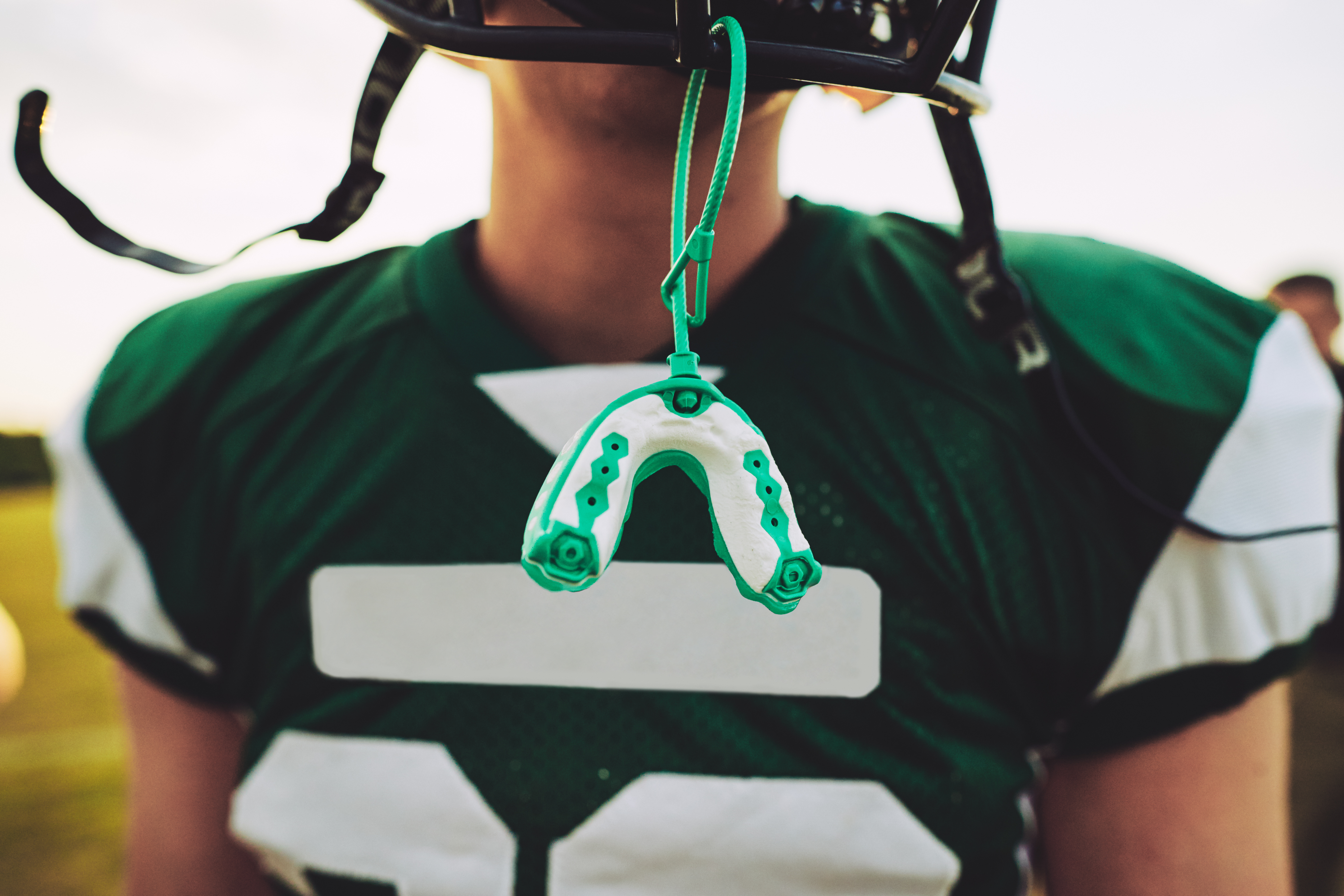
Sports are an important part of the school year for many Brownsburg students, but practices and games can also bring a risk of dental injuries. A collision, fall, or unexpected impact can result in a chipped, cracked, loose, or knocked-out tooth. For BHS student-athletes, knowing how to respond to a dental emergency and using a properly fitted mouthguard can help protect their smiles throughout the season.
At All Star Dental, we provide emergency dental care in Brownsburg and help families understand how to respond when an injury affects the teeth, gums, or jaw.
What Dental Injuries Can Happen During Sports?
Dental trauma can occur in contact sports, but injuries are not limited to football or other high-contact activities. Basketball, soccer, baseball, softball, wrestling, and recreational activities can also lead to impacts involving the mouth.
Common sports-related dental injuries include chipped or fractured teeth, loose teeth, displaced teeth, cuts to the lips or gums, and teeth that have been completely knocked out.
Even when an injury initially appears minor, it is important to pay attention to pain, swelling, bleeding, tooth movement, or changes in the way the teeth fit together.
What Should You Do During a Dental Emergency?
Staying calm and acting quickly can make a difference after a sports injury. Parents and athletes should know a few basic steps:
Check the mouth for bleeding, swelling, broken teeth, or displaced teeth
Contact a dentist promptly if a permanent tooth is loose, displaced, fractured, or knocked out
Handle a knocked-out permanent tooth by the crown rather than the root
Seek emergency medical care for suspected jaw fractures, uncontrolled bleeding, loss of consciousness, or other significant injuries
Have the athlete evaluated if pain, swelling, or other symptoms continue after the initial impact
A dental examination can determine the extent of the injury and whether treatment is needed. At our Brownsburg office, we offer emergency dental care for patients experiencing urgent dental concerns.
Why Mouthguards Matter for Student-Athletes
A properly fitted mouthguard creates a protective barrier around the teeth and can help reduce the frequency or severity of sports-related dental and oral injuries. Mouthguards may be appropriate for more activities than families realize, particularly sports where collisions, falls, balls, or equipment can strike the face.
Wearing a mouthguard is important even when other protective equipment is used. Helmets and face protection serve important purposes, but they do not eliminate every risk to the teeth.
Custom Mouthguards vs. Store-Bought Options
There are several types of athletic mouthguards, including stock, boil-and-bite, and custom-fitted designs. A custom mouthguard is created to fit an athlete's individual teeth rather than relying on a standard shape.
Fit matters because a mouthguard should remain secure while allowing the athlete to breathe and communicate comfortably. A dental professional can evaluate the athlete's teeth, bite, braces or other orthodontic appliances, and stage of dental development when discussing mouthguard options.
Because teenagers' mouths can change as they grow or undergo orthodontic treatment, mouthguard fit should also be checked periodically.
Preparing Before the Next Game
Parents do not have to wait for an injury to think about sports dental safety. Before the season gets busy, make sure your student-athlete has regular dental examinations, understands when a mouthguard should be worn, and knows what to do if an injury occurs.
A damaged tooth may not always cause severe pain immediately, so changes in tooth color, sensitivity, swelling, or discomfort after an impact should not be ignored. Prompt evaluation can help identify injuries that are not obvious from looking at the tooth alone.
For emergency dental care or to discuss protecting your BHS student-athlete's smile during sports, contact All Star Dental at 600 W Northfield Dr., Suite 2020, Brownsburg, IN 46112 by calling (463) 307-0300.

Services
Learn More
Keep
In Touch
Powered by
